What are Rare Earth Elements?
Victory continues to explore and develop its REE and Scandium discoveries
Rare Earth Elements for a Clean Energy Transition
Follow up metallurgical test work provides excellent rare earth magnet metal recoveries for Victory Metals Australia. Recoveries of Light Rare Earth Elements (LREE) up to 78% Neodymium (Nd) and 76% Praseodymium (Pr) and Heavy Rare Earth Elements (HREE) with up to 79% Dysprosium (Dy) and 80% Terbium (Tb)
Clean energy transitions are crucial in addressing climate change. Renewable energy sources, such as wind and solar, play a significant role in reducing greenhouse gas emissions. However, the widespread adoption of these technologies heavily relies on a group of elements known as rare earth elements (REEs).
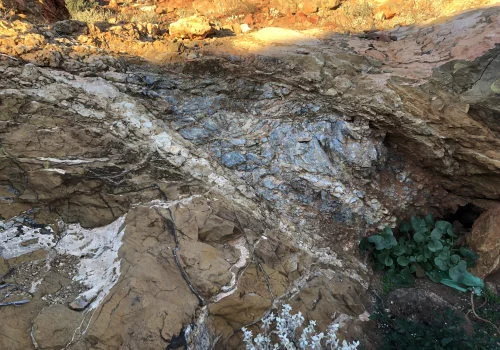
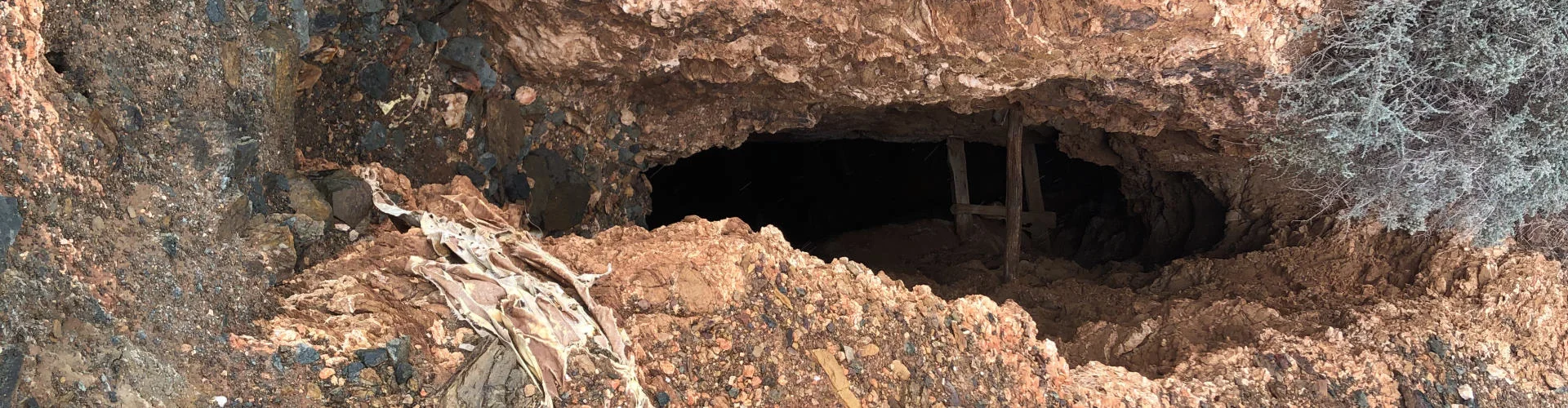
Victory Metals’ key assets include a portfolio of REE sites located in the Midwest region of Western Australia, nearly 665 km from Perth.

REE Magnets
Neodymium (Nd pictured), praseodymium (Pr), and dysprosium (Dy), in particular, are essential for manufacturing permanent magnets used in wind turbines and electric vehicle motors.
These magnets are lightweight, powerful, and allow for efficient energy conversion. Wind turbines equipped with rare earth magnets generate more electricity, increasing overall energy output.
Similarly, electric vehicles benefit from the strong magnetic fields generated by rare earth magnets, improving motor efficiency and extending driving range.
The availability of these elements is critical for scaling up wind and electric vehicle technologies.
Clean energy transitions are crucial in addressing climate change. Renewable energy sources, such as wind and solar, play a significant role in reducing greenhouse gas emissions. However, the widespread adoption of these technologies heavily relies on a group of elements known as rare earth elements (REEs).
Lighting
Phosphors containing europium, terbium, and yttrium are employed in compact fluorescent lamps (CFLs) and light-emitting diodes (LEDs).
These lighting technologies offer superior energy efficiency and longer lifespans compared to traditional incandescent bulbs. Rare earth phosphors enable the production of vibrant and adjustable colors, making them suitable for a wide range of lighting applications.
As global efforts to phase out inefficient lighting gain momentum, the demand for rare earth elements in this sector continues to grow.

Batteries
In clean energy storage, rare earth elements play a crucial role.
Nickel-metal hydride (NiMH) batteries, which are widely used in hybrid vehicles and some portable electronics, rely on lanthanum (La) to enhance battery performance. Additionally, REEs are being explored for their potential in advanced battery technologies like solid-state batteries and lithium-ion batteries.
The next-generation batteries could offer higher energy density, faster charging capabilities, and improved safety features, driving the evolution of clean energy storage systems.
Advanced Energy Systems
Rare earth elements are indispensable in this field. .
Rare earth elements also find applications in hydrogen production, an emerging clean energy pathway. Hydrogen fuel production through water electrolysis often utilizes rare earth-based catalysts to improve the efficiency of the process.

ASX Announcements

Annual Reports
VTM Prospectus

Videos
REE Supply Concerns
The majority of global rare earth production is concentrated in a few countries, making supply chains vulnerable to geopolitical uncertainties. Additionally, the extraction and processing of rare earth elements can have environmental and social impacts if not managed responsibly. Please read documents on our Corporate Governance Page for more information about our approach.
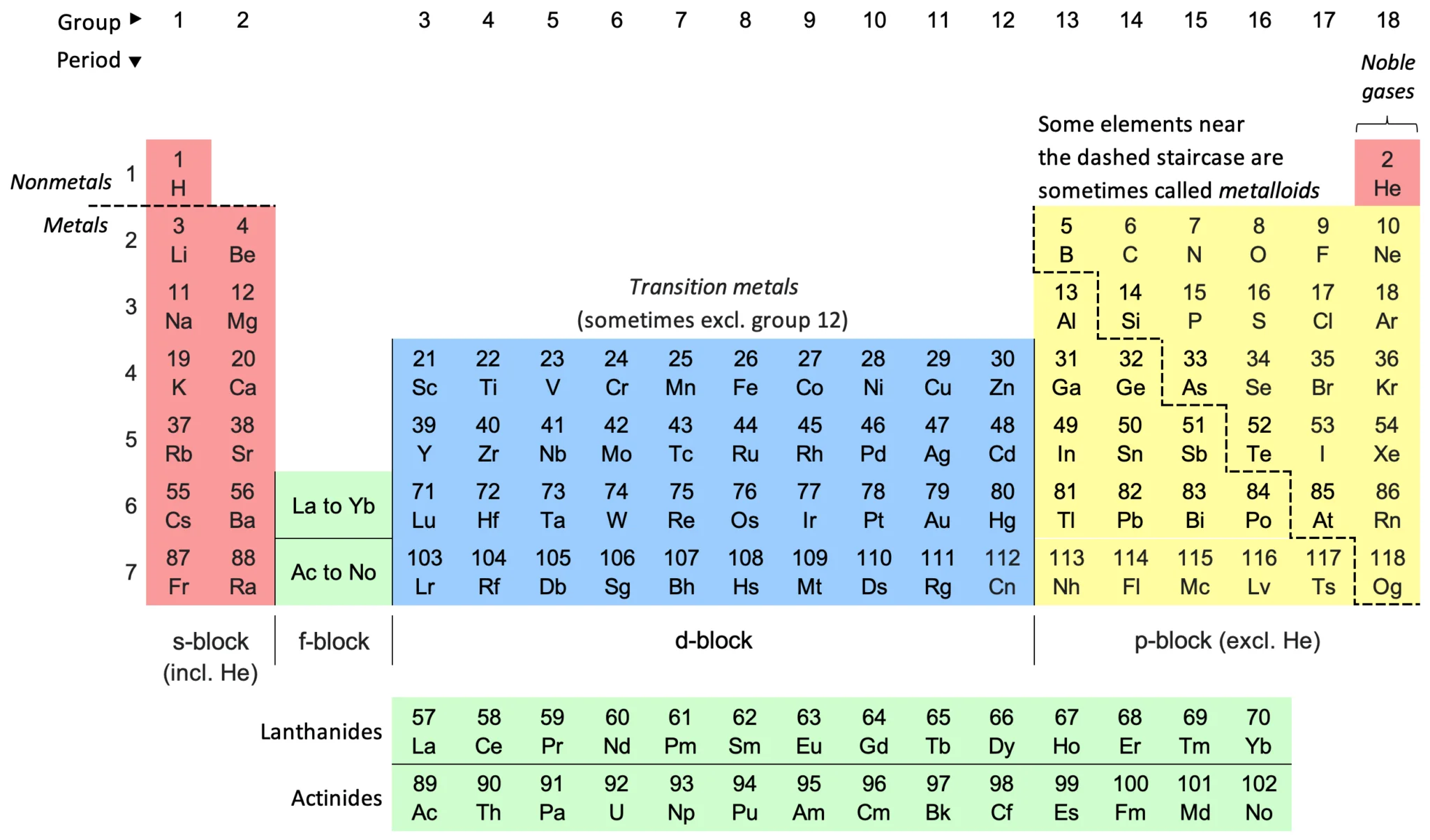
There are 17 Rare Earth Elements
Rare Earth Elements (REEs) comprise of 17 chemical elements that belong to the lanthanide series of the periodic table. Lanthanide elements are silvery-white metals that are generally soft, malleable, and ductile. They have high melting points and are highly reactive, particularly when finely divided.
| Lanthanum (La) | Cerium (Ce) | Praseodymium (Pr) | Neodymium (Nd) | Promethium (Pm) | Samarium (Sm) |
| Europium (Eu) | Gadolinium (Gd) | Terbium (Tb) | Dysprosium (Dy) | Holmium (Ho) | Erbium (Er) |
| Thulium (Tm) | Ytterbium (Yb) | Lutetium (Lu) | Scandium (Sc) | Yttrium (Y) |
REE Lathanides on the Periodic Table